Rushey Green Brownhill Road removals and moving tips: a practical local guide for a smoother move
Moving home or business around Rushey Green and Brownhill Road can feel straightforward on paper, then suddenly turn into a tangle of boxes, parking worries, narrow hallways, and that one drawer full of random cables you swore you would sort out later. This guide to Rushey Green Brownhill Road removals and moving tips is here to make the whole thing feel more manageable. Whether you are moving from a flat, a family house, a student let, or an office, the aim is simple: help you plan better, pack smarter, and avoid the little mistakes that create big stress.
You will find a clear step-by-step process, practical local moving advice, a comparison of common removal options, and a checklist you can actually use. I will also cover the small details people often forget, like access, timing, insurance, and what to do if you need temporary storage. Truth be told, those are often the bits that make the difference between a calm move and a chaotic one.
Expert summary: The best moves are usually not the fastest ones; they are the ones with a sensible plan, the right vehicle, realistic timing, and a bit of breathing room built in.
Table of Contents
- Why Rushey Green Brownhill Road removals and moving tips matters
- How Rushey Green Brownhill Road removals and moving tips works
- Key benefits and practical advantages
- Who this is for and when it makes sense
- Step-by-step guidance
- Expert tips for better results
- Common mistakes to avoid
- Tools, resources and recommendations
- Law, compliance, standards, or best practice
- Options, methods, or comparison table
- Case study or real-world example
- Practical checklist
- Conclusion
- Frequently asked questions
Why Rushey Green Brownhill Road removals and moving tips Matters
Moving in this part of south-east London is not just about shifting furniture from A to B. It is about working around the reality of local roads, shared entrances, busy stretches, and the usual London headaches: limited stopping space, awkward staircases, and the feeling that every van is always one size too big or too small. If you plan your move well, those details stay small. If you do not, they tend to dominate the day.
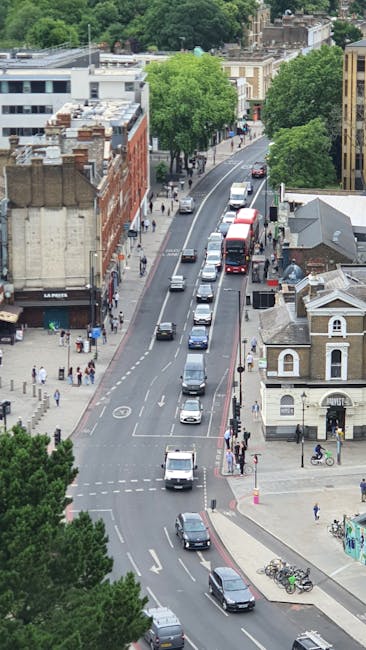
Rushey Green and Brownhill Road sit in a residential, mixed-use part of the area, so people often face a blend of house moves, flat removals, and smaller commercial or student moves. That means there is no one-size-fits-all approach. A ground-floor family house with a driveway needs a very different plan from a third-floor flat with no lift and a tight frontage. A good moving plan should reflect that, not pretend every job is the same.
It also matters because moving can affect everything else around it: work schedules, school runs, broadband appointments, deposit handovers, and even the simple question of where the kettle is when you arrive. Getting the process right saves time, money, and stress. And yes, a little sanity too.
If you are comparing removal providers, it helps to understand the service type before you book. Some people only need a light-load option like a man and van service, while others need a full team and a larger vehicle. For more involved moves, it can also make sense to look at house removals or flat removals depending on the property type.
How Rushey Green Brownhill Road removals and moving tips Works
The process is simpler when you break it into stages. In real life, moves go smoother when decisions are made early and the big unknowns are handled first. That usually means access, packing, transport, and timing.
1. Assess the move honestly
Start with what you actually have, not what you hope you have after a quick tidy-up. Count the boxes you expect, note any awkward items, and look at stairs, door widths, parking, and whether the property has lift access. A move that looks small on paper can quickly become a big one once wardrobes, bikes, plants, and storage boxes come into play.
2. Choose the right service level
Some moves need little more than a vehicle and a couple of hands. Others need packing help, dismantling, careful handling of fragile items, or even short-term storage. That is where service choice matters. If you are moving a small load, a removal van may be enough. If your move is larger or has timing pressure, you may need a bigger vehicle or a more complete removal service.
3. Pack in layers, not random piles
Good packing is not about using the most boxes. It is about grouping items so unpacking makes sense later. Put similar things together, label sides clearly, and keep a small essentials bag separate. You really do not want to be hunting for phone chargers, toilet roll, and medications in a box marked "misc". That box is always the worst one.
4. Plan the transport and loading order
Heavy items should go in first, with fragile and lighter items protected above or around them. The order matters because once the van is full, rearranging is slow and risky. If you are moving from or into a tighter street, it can also help to think carefully about the loading point and the vehicle size. For some jobs, a moving truck is the right choice; for others, a smaller van is more practical.
5. Keep the handover simple
The day becomes easier if you know who has keys, who checks the inventory, where the parking is, and which box contains the most important documents. Small admin details, oddly enough, often save the most time.
Key Benefits and Practical Advantages
The main benefit of a well-planned move is obvious: less stress. But there are several smaller gains that matter just as much in the real world.
- Less damage risk: Proper packing and load planning reduce the chances of chipped furniture, broken glass, and dented walls.
- Better timing: A sensible schedule helps avoid sitting around waiting for keys, parking spaces, or unavailable help.
- Lower moving fatigue: When jobs are assigned clearly, nobody ends up doing too much lifting at the wrong time.
- Cleaner budgeting: Knowing whether you need van-only support, packing help, or a full team gives you a better sense of cost.
- Smoother settling-in: A planned first-night box means you can sleep, shower, and make tea without unpacking half the house.
There is also a practical benefit to using the right specialist service. A student move, for example, does not need to look like a five-bedroom household relocation. Likewise, an office move should be handled differently from a family home move because there are documents, computers, desks, and business downtime to think about. That is why services such as student removals and office removals exist in the first place.
And let's be honest, there is a quieter kind of benefit too: confidence. Once you know what is happening, the whole day feels less intimidating. That counts for a lot.
Who This Is For and When It Makes Sense
This guide is useful if you are moving in, out of, or around the Rushey Green and Brownhill Road area and want the process to feel organised rather than improvised. It is especially relevant if you fit one of these situations:
- You are moving from a flat with stairs, limited parking, or awkward access.
- You are moving into a house and need help with bulky furniture.
- You are a student with a smaller load and a tight timetable.
- You are relocating a small office or workspace.
- You need same-day support because plans changed late.
- You want to store items temporarily before the final move-in.
- You are not sure whether to book a van-only service or a full removals team.
It also makes sense if you are trying to protect a tight moving budget. A lot of people assume they need the biggest service available, but that is not always true. Sometimes a carefully chosen man with van option is a more sensible fit than a larger removal setup, especially if the move is local and the load is manageable.
If your move involves bulky or specialist items, the picture changes again. Pianos, for instance, should be treated differently from boxes and sofas. A service like piano removals can be a far better fit than trying to force a standard approach.
Step-by-Step Guidance
Here is a practical sequence you can follow. It is not fancy, but it works.
- Set your moving date early. Once you have a date, everything else becomes easier to organise.
- Walk through the property. Note furniture size, fragile items, awkward corners, parking issues, and any items you might throw away or donate.
- Sort and declutter. Do not pay to move things you no longer want unless you have a clear reason.
- Book the right transport. Match the vehicle and team size to the volume of belongings and the access conditions.
- Pack room by room. Label boxes with both the room and a short content note. "Kitchen - pans" is far better than "misc".
- Create a first-day essentials kit. Keep toiletries, chargers, snacks, documents, and a change of clothes with you.
- Protect the awkward items. Mirrors, artwork, lamps, and electronics should be packed with a bit more care.
- Confirm the arrival window. A short check-in before the day can prevent a surprising amount of confusion.
- Prepare the old and new addresses. Leave keys ready, clear access routes, and make sure the main lights work.
- Unpack the essentials first. Bed, kettle, toiletries, and basic kitchen items. The rest can wait a bit.
If you are moving a full household, a more structured service may be helpful. In many cases, people pair packing support with packing and boxes so they do not end up scrambling for supplies at the last minute. If time is especially tight, packing and unpacking services can remove a huge amount of pressure.
One small practical tip: keep a marker pen in your pocket, not at the bottom of a box. You will be surprised how often that matters.
Expert Tips for Better Results
These are the little things that tend to separate a decent move from a genuinely smooth one.
Use the building layout to your advantage
In flats and terrace houses, the route in and out matters as much as the volume of items. If a sofa has to turn halfway on a staircase, measure that before moving day. It sounds obvious, but people often forget until the sofa is already wedged. Not ideal.
Book for the real situation, not the optimistic one
To be fair, most people underestimate how long a move takes. Build in extra time for traffic, loading delays, and the tiny interruptions that always happen. A lift gets busy. Someone misplaces keys. Rain starts, because of course it does. Giving yourself a buffer keeps the day calmer.
Group fragile items together
Instead of scattering fragile items across many boxes, group them by type and label them clearly. That helps with handling and unpacking. It also makes it easier to decide which boxes should go in the van last and come out first.
Keep important documents with you
Passports, tenancy papers, contracts, bank details, and moving confirmations should travel separately from the main load. A document folder is simple, but it can save a lot of stress.
Think about the after-move day, not just moving day
A practical move does not stop once everything reaches the new address. You will need time to unpack, dispose of waste responsibly, and possibly arrange furniture removal or recycling. If your move creates items you no longer want, furniture removals or furniture pick up may be useful before or after the move.
Sometimes the strongest tip is the simplest one: do less on the day itself. Do the preparation beforehand. Your future self will thank you, probably while sitting on the floor eating a sandwich.
Common Mistakes to Avoid
Most moving problems come from a few predictable errors. Once you know them, they are easy enough to avoid.
- Leaving packing too late. Late packing almost always leads to poor labelling and broken items.
- Underestimating access issues. Parking, stairs, and narrow entrances can affect timing and vehicle choice.
- Not measuring large furniture. A wardrobe that fits in a room may still not fit through the route to get there.
- Booking the wrong type of move. A small van may be fine for light loads, but not for a full house.
- Forgetting cleaning time. End-of-tenancy cleaning or basic tidy-up time is easy to forget and hard to squeeze in later.
- Mixing essentials with general boxes. The first night becomes a scavenger hunt, and nobody enjoys that.
- Ignoring insurance questions. Always check what is covered and what is not.
If your move is time-sensitive, do not leave your options to the last minute. Services such as same day removals can be helpful in a pinch, but they work best when you are clear about the load and access needs. Same-day help is convenient; it is not magic.
Tools, Resources and Recommendations
You do not need a huge toolkit, but a few simple items make a big difference.
- Strong boxes: Use decent-quality boxes that can handle stacking.
- Packing tape: More useful than you think, and easy to run out of.
- Marker pens: Label sides clearly so boxes can be read when stacked.
- Blankets or protective wraps: Helpful for furniture surfaces and corners.
- Zip bags: Good for screws, bolts, and small fittings from dismantled furniture.
- Document folder: Keeps keys, contracts, and identification together.
- Basic toolkit: Screwdrivers, Allen keys, and a pair of scissors are the usual heroes.
In terms of service planning, think about your move in layers. If you need help with a smaller load, a removals service or man with a van can be appropriate. If you need a larger-scale move, a more complete setup through home moves may be more suitable. For business premises, commercial moves and office relocation services are often the better route.
If you are unsure, ask for a quote that reflects your actual access conditions and contents list. That is much more useful than a rough guess. For pricing clarity, the site's pricing and quotes page is a useful place to start.
Law, Compliance, Standards, or Best Practice
For removals in the UK, the most sensible approach is to work to common best practice rather than make assumptions. That means checking access requirements, handling belongings safely, using suitable lifting methods, and understanding what your removal provider covers. If you are comparing services, look for clear information about insurance and safety, because that helps you know how risk is managed during the move.
It is also worth being aware of typical expectations around parking, access, and property rules. Many London moves require thought about loading space, neighbours, and shared entrances. You do not need a legal lecture for that, just a careful plan and a bit of courtesy. Very British, really.
If you are moving business equipment or workplace items, keep data protection and file security in mind. Documents should not be left in open boxes or mixed with general household items. If anything sensitive is involved, pack it separately and keep it under direct control.
Finally, good providers should have a clear complaints route, transparent payment practices, and understandable terms. Those details are not glamorous, but they tell you a lot about how seriously a company handles customer service. The website's pages on terms and conditions, payment and security, and complaints procedure are the kind of pages you would expect a careful customer to review before booking.
Options, Methods, or Comparison Table
Different moves need different setups. Here is a simple comparison to help you choose the most practical route.
| Option | Best for | Strengths | Trade-offs |
|---|---|---|---|
| Man and van | Small loads, short local moves, flexible timing | Usually economical, nimble, good for light to medium jobs | Less suitable for larger households or bulky furniture |
| Full removals team | Family homes, heavy furniture, more complex moves | More hands, better for speed and safer lifting | Usually costs more than a smaller service |
| Packing support | Busy households, fragile items, time-poor movers | Saves time, reduces packing errors | Extra service layer to budget for |
| Storage | Delayed completions, staggered move dates, decluttering | Creates breathing space and flexibility | May add extra planning and cost |
| Same-day removals | Urgent, last-minute, or disrupted plans | Fast response when plans change | Less time for preparation; availability can vary |
There is no perfect choice for everyone. There is only the right fit for your particular move. That is the useful question to ask.
Case Study or Real-World Example
Here is a realistic example. A couple moving from a second-floor flat near Rushey Green had a fairly ordinary-looking job at first glance: a sofa, a bed, a dining table, a few appliances, and around twenty boxes. Then they walked the route properly. Tight stairs. No lift. Limited nearby parking. One wardrobe that would not turn neatly on the landing. Suddenly, the job was not "just a small move" anymore.
What helped? They sorted and labelled everything before the day, reserved items they needed immediately in a separate box, and booked a service that could handle the stairs and furniture safely. They also arranged temporary holding for a few items they were not ready to place in the new flat. A small amount of storage solved a surprisingly big problem.
By the time moving day arrived, the stressful part had already been done. The van was loaded in order, fragile items were kept together, and the first box off the van was the one with bedding, toiletries, mugs, and a kettle. Honestly, that kettle felt like a victory. Those are the little wins people remember.
That example is a good reminder: moves are rarely difficult because of one huge issue. They are difficult because of five small issues arriving at once. Once you spot them early, the whole thing becomes much more manageable.
Practical Checklist
Use this as your final pre-move check. It is simple on purpose.
- Confirm moving date, arrival window, and key handover arrangements.
- Measure large furniture and note awkward access points.
- Choose the right service size for your load.
- Book parking or check local access arrangements if needed.
- Gather boxes, tape, markers, wraps, and a small toolkit.
- Pack room by room and label every box clearly.
- Keep documents, valuables, chargers, and medicines with you.
- Prepare a first-night essentials bag.
- Decide what stays, what goes, and what may need storage.
- Review insurance, terms, and payment details before confirming the booking.
- Check whether any furniture needs dismantling and reassembly.
- Have water, snacks, and a plan for breaks on moving day.
If you want a more structured approach, you can also keep the service scope in mind while booking. For example, a smaller local move may suit removal van support, while larger or more detailed jobs may be better handled through house removalists or a broader removal companies search. And if you need to get rid of old items, furniture pick up can help reduce clutter before the move starts.
Conclusion
Rushey Green Brownhill Road removals and moving tips are really about making smart decisions in the right order. If you understand your access, pack with purpose, choose the correct transport, and leave room for the unexpected, the move becomes far less intimidating. That is true whether you are handling a flat, a house, a student move, or an office relocation.
The key is not perfection. It is preparation. A well-planned move still has little hiccups, but they stay little. And that is a much nicer way to move through the day.
Get a free quote today and see how much you can save.
When you are ready, take it one step at a time. Clear plan, steady pace, and a bit of patience. That usually gets you there.
Frequently Asked Questions
What is the best way to plan Rushey Green Brownhill Road removals and moving tips?
Start with access, property type, and the amount you need to move. Then choose the right vehicle and service level, pack room by room, and keep essentials separate. That sequence keeps the move practical rather than rushed.
How far in advance should I book a removals service?
As early as you can, especially if you are moving at a busy time of month or have access restrictions. A bit of lead time makes it easier to arrange the right support and avoid last-minute compromise.
Do I need a full removals team or just a man and van?
It depends on the load and the property. A smaller, local move may suit a man and van service, while a larger household move may need a fuller team. If you are unsure, assess the stairs, furniture size, and number of boxes first.
What should I pack separately on moving day?
Keep documents, keys, phone chargers, medicines, toiletries, snacks, and a change of clothes separate from the main boxes. This saves a lot of time when you arrive and helps the first night feel less chaotic.
How do I protect fragile items during a move?
Use strong boxes, enough packing material, and clear labels. Keep fragile items together where possible, and avoid overfilling boxes. Lighter boxes are easier to handle safely and less likely to get crushed.
Is storage useful during a move?
Yes, especially if your dates do not line up neatly or you need to reduce clutter before moving in. Storage can also help if you are staging the move in phases.
What if I need to move quickly?
If plans change suddenly, same-day support may be an option. A same day removals service can be helpful, but it works best when you can describe your load clearly and stay flexible on timing.
How do I know whether I need packing help?
If you are short on time, have lots of fragile items, or simply do not want the stress of boxing everything up, packing support can be a sensible choice. It also helps if you have a larger property or a busy schedule.
What should I look for in a removal company?
Look for clear pricing, sensible communication, insurance information, and straightforward terms. A company that explains how it handles safety, payment, and complaints usually gives you a better idea of what to expect.
Can I move bulky furniture like pianos or large wardrobes safely?
Yes, but specialist handling is often the right choice. Large wardrobes may need dismantling, and pianos should usually be handled through dedicated piano removals rather than standard lifting.
What if I am moving from a flat with stairs and no lift?
That is very common, and it just means access needs more attention. Measure stair turns, check how furniture will fit, and choose a service that is comfortable with flat access. In many cases, flat removals are the right fit.
Where can I learn more about service options before booking?
You can review the company's service pages, including home moves, office relocation services, and removal services, to match the support to your situation.
Moving is never glamorous, but it does not have to be miserable either. With the right plan, it can be one of those jobs that feels very possible once you start.